Shipping Lines Launch New Trade Routes to Bypass the Strait of Hormuz
Amid the closure of the Strait of Hormuz due to geopolitical tensions in the Middle East, many international shipping companies have rapidly launched new logistics routes to maintain cargo supply chains for the Gulf region.
The development of combined sea-and-land transport routes not only helps ensure the flow of goods but also creates new revenue streams for major global shipping lines.
Strait of Hormuz Closure Puts Pressure on Supply Chains
The Strait of Hormuz is one of the world’s most important maritime routes, handling a large portion of oil shipments and cargo serving the Middle East region.
With this transport route disrupted, Gulf countries are facing the risk of severe supply shortages due to their heavy dependence on imported goods.
According to logistics experts, approximately 85% of food supplies in Gulf countries currently rely on imports from overseas.
This situation has forced shipping companies to quickly seek alternative solutions to maintain logistics operations and prevent supply chain disruptions.
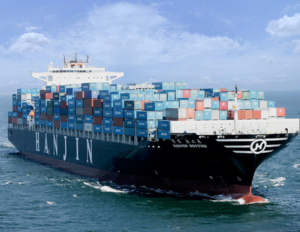
MSC Launches New Combined Sea-and-Land Transport Route
MSC, the Italian-Swiss shipping group, has officially launched a new trade route designed to bypass the Strait of Hormuz region.
The first vessel departed from the Port of Gdansk (Poland) and passed through the Suez Canal before calling at the following ports:
- Jeddah (Saudi Arabia)
- King Abdullah Port (Saudi Arabia)
- Aqaba (Jordan)
From there, cargo will continue by road transport to Gulf countries such as:
- Bahrain
- Qatar
- Abu Dhabi
- Jebel Ali
This new logistics model is considered a temporary alternative solution aimed at maintaining cargo transportation during the crisis period.
Major Shipping Companies Accelerate Integrated Logistics Development
Not only MSC, but other major shipping companies such as CMA CGM and Maersk are also expanding combined sea-and-land transportation services.
According to logistics expert Yann Allix from the Sefacil Foundation, this move demonstrates that shipping companies are transforming into fully integrated logistics providers.
He stated:
“Shipping companies want to demonstrate their adaptability and their ability to find alternative solutions to maintain supply chains for customers.”
The integrated logistics model allows shipping lines not only to transport goods by sea but also to participate more deeply in inland transportation and domestic distribution systems.
Integrated Logistics Services Generate Significant Profits
According to industry experts, the combination of road and sea transportation is opening up substantial new revenue opportunities for international shipping companies.
In the integrated logistics model:
- Ocean freight serves as the main transportation route
- Road transportation creates higher added value
- Door-to-door logistics services help increase revenue
Road transportation costs are often significantly higher than sea freight costs, allowing shipping companies to generate additional profits to offset expenses arising from the crisis.
However, these additional costs will ultimately be added to product prices and passed on to consumers.
Ocean Freight Rates Continue Facing Upward Pressure
The need to reroute shipments and extend logistics chains is driving global transportation costs even higher.
Experts warn that:
- Ocean freight rates may continue to rise
- Delivery times could become longer
- Global logistics costs will remain under significant pressure
As instability in the Middle East shows no signs of easing, many shipping companies may continue operating alternative transport routes for an extended period.
This could lead to long-term changes in international maritime transport networks and global supply chains.